
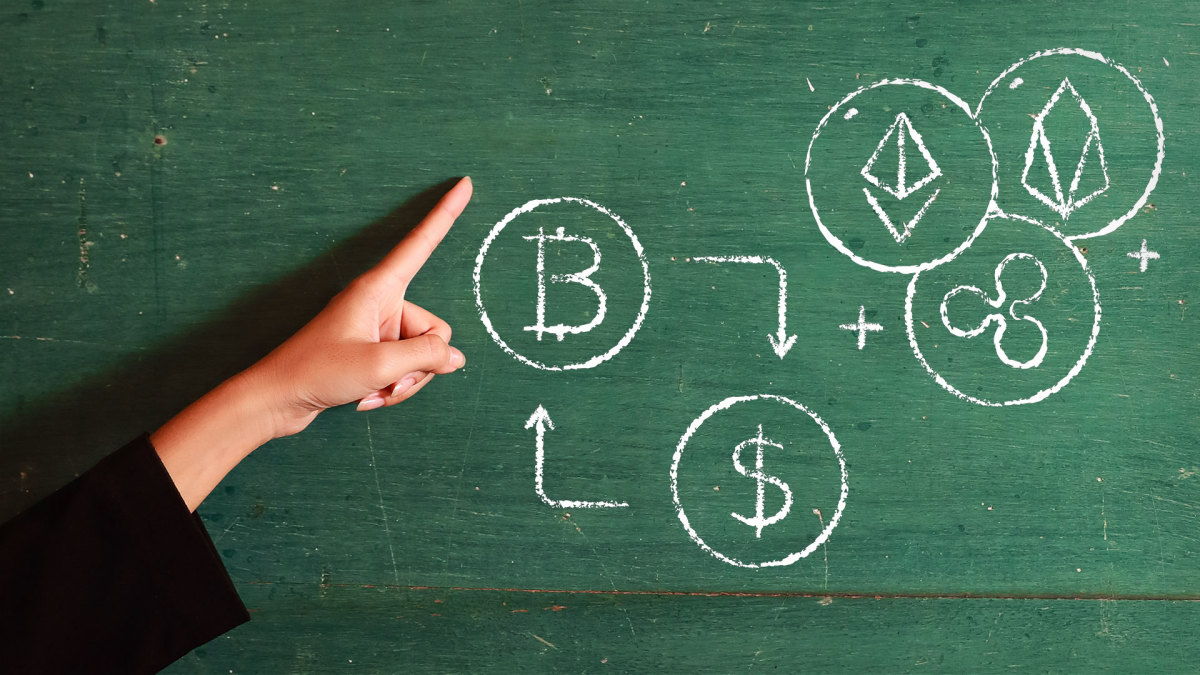
Cryptocurrencies in Bolivia and Latin America sounded like science fiction not so long ago. It seemed like a topic reserved for programmers in Silicon Valley or "internet geniuses" who worked with incomprehensible code and spent nights staring at black screens filled with green letters. But today the landscape has changed radically. More and more people—from students to entrepreneurs—are entering the crypto world.
And the reason is simple: inflation, monetary crises, and currency restrictions have pushed millions of Latin Americans to seek alternatives (https://www.infobae.com/america/america-latina/2024/12/01/escasez-de-dolares-en-bolivia-crecen-los-reclamos-de-la-poblacion-por-devolucion-de-depositos-bancarios-en-moneda-local/ Artículo de la escasez de dólares). Bolivia is no exception: with increasingly scarce dollars and banks unable to meet their customers' demands, cryptocurrencies are emerging as a logical, practical, and—most importantly—accessible solution.
In this article, we'll tell you what cryptocurrencies are, how they work, why they're useful in the current situation, and which platforms you can use to get started, including global solutions like Binance and local ones like PrismaPay.
Blockchain: The Heart of Cryptocurrencies
Before discussing how to get started, it's essential to understand the basics. Cryptocurrencies are built on a technology called blockchain.
A blockchain is, simply put, a public digital ledger. Instead of being controlled by a bank or government, it's distributed across thousands of computers around the world. Every transaction is recorded in blocks that are linked together, forming an immutable chain.
The major advantage is transparency and security: once a transaction is on the blockchain, it cannot be deleted or altered. This builds trust without the need for intermediaries.
Once difficult, now easy
Initially, accessing the blockchain was nearly an ordeal. It required downloading cumbersome programs, understanding endless keys, and possessing advanced technical knowledge. Buying Bitcoin or Ethereum in 2015 was such a complex process that most people gave up on acquiring them. Today, the landscape is completely different. There are platforms and applications that simplify the entire process, allowing anyone with a cell phone to buy, sell, and use cryptocurrencies in a matter of minutes.
Thanks to this ease of use, cryptocurrency adoption has grown throughout Latin America. According to reports from Chainalysis (https://www.chainalysis.com/spanish/ Chainalysis' official website), a blockchain information service, countries like Argentina, Brazil, and Mexico are among the world's leading markets for cryptocurrency adoption. And in countries with severe economic crises, such as Venezuela, millions of people use stablecoins to protect their savings and send remittances.
Benefits of Using Cryptocurrencies in Latin America and Bolivia
The benefits of cryptocurrencies are not theoretical; they are practical and everyday: Protection against inflation: In economies where local currencies lose value every day, cryptocurrencies—and especially stablecoins—act as a safe haven.
Global Access: Funds can be sent and received instantly, without depending on banks that impose limits or waiting lists.
Low Costs: Fees are usually much lower than those of traditional banks or money transfer companies.
Financial Inclusion: All you need is a cell phone and internet access to enter the crypto world, without the need for complex bank accounts.
In Bolivia, where access to dollars is limited and banks can no longer guarantee international transfers, these benefits are felt more strongly than ever.
Stablecoins: The Most Secure Gateway
Within the crypto world, stablecoins (such as USDT and USDC) deserve special mention. Their biggest advantage is that they are pegged 1:1 to the US dollar, which eliminates the volatility typical of coins like Bitcoin.
For someone just starting out, stablecoins are a practical and low-risk way to enter the ecosystem:
-
They are easy to buy and sell on platforms like Binance.
-
Their value doesn't fluctuate drastically.
-
They can be used both for saving and for sending money abroad.
In contexts like Bolivia, where the physical dollar is scarce and the parallel exchange rate is skyrocketing, having USDT is almost the same as having dollars, but in a digital version and with much more dynamic use.
Binance and the P2P Model
One of the best-known names in the crypto world is Binance (https://www.binance.com/es Binance's official website), the largest exchange on the planet. Its P2P (peer-to-peer) platform is especially popular in Latin America because it allows users to buy and sell cryptocurrencies directly with each other, using local fiat currency.
For example, if you want to convert Bolivianos to USDT in Bolivia, you can do so through Binance P2P by sending a payment to another local user via QR code or bank transfer. In return, that user releases the USDT to your Binance wallet. The same works in reverse: if you need Bolivianos, you can sell your USDT to another user and receive the money at the parallel exchange rate in your local bank account. The P2P model avoids potential bureaucratic intermediaries and is a practical way to enter the crypto ecosystem.
Takenos and Meru: Virtual Cards for Everyday Spending
Another challenge cryptocurrencies faced was their everyday use. What good was having USDT or Bitcoin if you couldn't pay for Netflix, buy from Amazon, or pay for lunch abroad? This is where platforms like Takenos and Meru come in.
[Takenos](https://takenos.com/ Takenos Official Website) and Meru come in.
[Meru](https://getmeru.com/ Meru Official Website) These fintechs offer virtual debit cards that you can top up with cryptocurrencies. In practice, this means you can convert your USDT or USDC into usable funds at any online merchant that accepts Visa or Mastercard.
In other words, with these tools, cryptocurrencies cease to be an abstract asset and become usable money for everyday life.
PrismaPay: The Solution for Sending Money Abroad
Finally, we can't talk about cryptocurrencies in Bolivia without mentioning PrismaPay.net, a fintech that uses stablecoins as its infrastructure to solve one of today's biggest problems: sending money abroad.
How does it work?
-
The user deposits money, either fiat (Bolivianos or dollars) or crypto, into PrismaPay.
-
The company converts these funds into stablecoins (USDC).
-
Through its international network, PrismaPay transfers these stablecoins to the destination country.
-
There, it converts the USDC back into local fiat currency (dollars, euros, pesos, etc.) and delivers it to the recipient.
All of this happens in less than an hour, with much lower fees than banks, no amount limits or waiting lists, and the ability to track the transaction in real time. And all of this means that neither the client nor the recipient needs to manage crypto wallets directly. In the current situation in Bolivia, where one cannot rely on banks to process international transfers, solutions like PrismaPay are not an extravagant novelty, but a necessity. And it's worth highlighting that even under normal circumstances—without a rampant monetary crisis—PrismaPay's transfer method would still be faster, cheaper, and more transparent than the banks' SWIFT method.
Conclusion
Entering the world of cryptocurrencies is no longer complicated. Blockchain is no longer the exclusive domain of experts, and thanks to platforms like Binance, Takenos, Meru, and PrismaPay, anyone in Bolivia or Latin America can get started in minutes.
Cryptocurrencies offer protection against inflation, access to stable digital dollars, and a way to send money abroad without relying on banks that are no longer delivering.
For those looking to minimize risk when starting out, stablecoins like USDT and USDC are the ideal entry point: simple, practical, and reliable. And with fintechs like PrismaPay.net, the custody of your crypto assets will be handled by security experts using the best software on the market.
It's advisable to start small; once you gain confidence, you can take flight and explore the myriad possibilities that blockchain technology offers.
Carlos Frank