
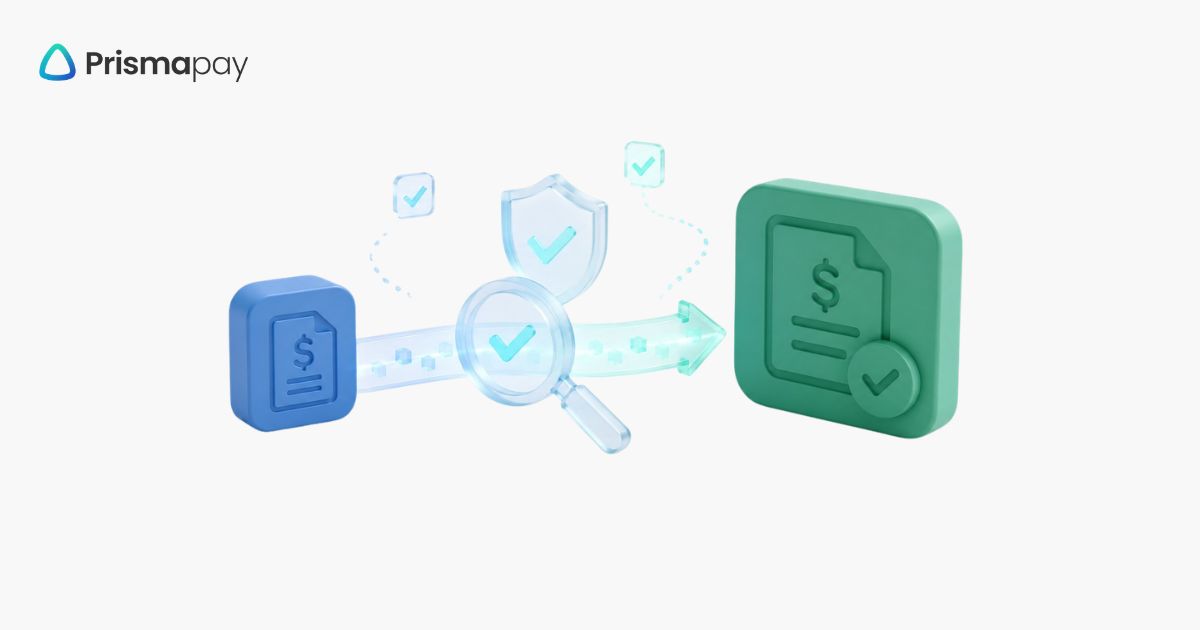
For an administrator or finance manager with experience in the local market, the idea of transferring thousands of dollars through a novel payment channel generates a reasonable level of skepticism. The responsibility of safeguarding the company's working capital demands verifying the security of the funds before carrying out large-scale operations. When a digital payments platform promises fast international transactions without the delays of the traditional system, the most sensible reaction from the leadership team is practical verification under a low-risk approach.
This methodological approach protects corporate resources and allows the accounting department to evaluate the system's real speed and documentary circuit without compromising operational liquidity.
The case of the Peruvian yarn in El Alto
A textile factory located in the city of El Alto, specialized in manufacturing garments for export, illustrates the value of this prudent approach. The company needed to purchase rolls of alpaca and cotton yarn from a supplier in Lima, Peru, to fulfill an urgent export order to Europe.
The cost of the main raw material came to $18,000, but general management was reluctant to use the digital platform for an amount of that magnitude, fearing the operation wouldn't meet the required customs traceability. To resolve the dilemma without stopping the project, the factory's accountant proposed an intermediate step: making a test payment of $450 for the purchase of sample catalogs and color cards that the same Peruvian supplier offered.
The test payment was issued on a Wednesday morning. The Bolivianos were transferred locally, the conversion to digital dollars was executed on the platform, and the funds were deposited into the supplier's checking account in Lima in less than thirty minutes.
This pilot resolved one of management's biggest doubts: the foreign supplier's reaction. The manufacturer in Lima did not have to create accounts on digital platforms or receive digital assets directly. From their perspective, their local bank (Banco de Crédito del Perú) credited a deposit in traditional dollars through a standard local banking channel.
This small transaction allowed the accounting department to verify that the platform issued valid receipts and to confirm that the supplier's bank received the money as a standard commercial transfer. Likewise, the accountant was able to link the platform's payment receipt with the air waybill and the simplified invoice issued by the customs courier that transported the samples from Lima. By clearing postal customs under the simplified formal regime and obtaining the corresponding documentary discharge without observations from the tax authority, the company resolved every legal doubt. With the traceability of the circuit fully demonstrated locally and internationally, management proceeded to settle the main $18,000 payment the following day with complete peace of mind, ensuring the arrival of the supplies and meeting the agreed export deadlines.
What to validate during the pilot payment
Executing a low-amount test transfer (such as $300 or $500) through Prismapay makes it possible to audit five aspects of the financial process without the cost and obstacles of traditional banking institutions, which often impose high transfer minimums of up to $5,000 due to the high fixed costs of their correspondent network:
- Local bank reconciliation: confirm how easily the local bank processes the Boliviano transfer and how the outflow is reflected in the company's internal accounting, verifying that the debit voucher matches the source account.
- The currency conversion flow: evaluate the transparency of the on-screen quote and confirm that the agreed exchange rate matches exactly the outflow recorded in Bolivianos, preventing hidden additional costs or last-minute surcharges.
- The crediting speed: measure the time elapsed from the moment the Bolivianos are debited until the foreign supplier confirms receipt of the money in their bank account, recording the timestamps for future urgent operations.
- Supplier acceptance: ensure that the counterpart receives the funds in the agreed currency (traditional dollars or euros) without unexpected charges or hidden fees at their destination bank, ensuring the purchase order is left free of outstanding balances.
- Accounting and tax support: validate that the receipts generated by the platform contain the commercial data required to assemble the accounting file, supporting the tax deductibility of the expense in accordance with current customs and tax regulations.
Starting the relationship with a low-value pilot payment is the most responsible way to align the objectives of general management, the speed required by operations, and the rigor demanded by the accounting department. Once the initial test is passed, the company gains the confidence needed to optimize the rest of its currency flows, gaining speed and operational predictability without ever putting its working capital at risk.
Are you ready to run your first pilot test with a smaller transfer?
Create a test account on Prismapay →
Prismapay — corporate banking for your company.